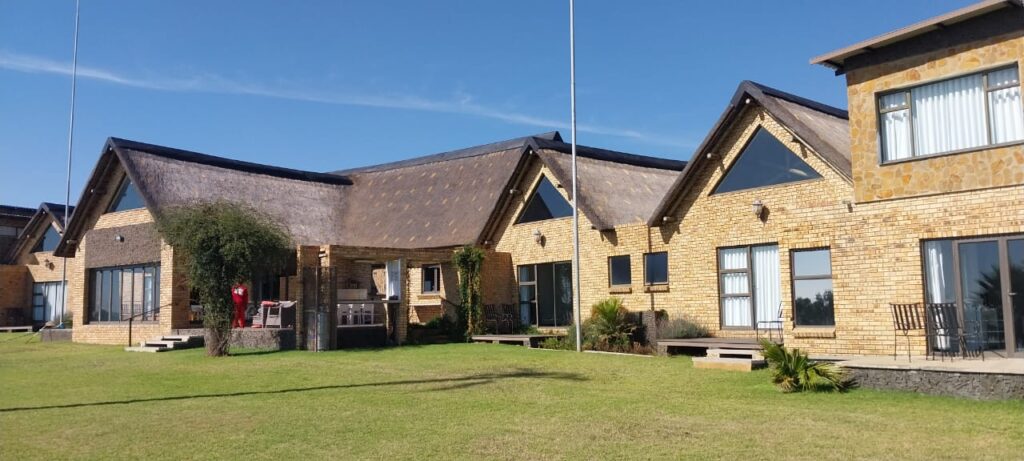
Why Thatch Roof Maintenance Matters
Thatch roofing looks beautiful and gives a natural, traditional feel to any home.
However, it needs routine care to stay durable.
The better you maintain it, the longer it lasts, which helps avoid major repair costs later.
A maintained thatch roof sheds water properly, stays tightly packed, and keeps its shape.
This prevents leaks, rot, and structural problems.
Thatch also handles weather well, but wind, rain, sun, and moisture can slowly weaken it if left unchecked.
Routine care keeps the roof firm and clean.
It also ensures the thatch retains its natural oils, which help it resist water.
Another major benefit of maintenance is safety.
Fire retardant treatments, pest control, and improved drainage reduce fire risks and stop animals from disturbing the roof.
Regular checks protect the ridge, the wire netting, and the supporting timber.
These parts are key in stabilising the roof and keeping the thatch in place.
When homeowners stay consistent with upkeep, the roof can last 20–30 years or more.
Neglect shortens that time drastically.
Thatch roofs need simple but steady care.
A little attention each year prevents expensive damage.
A combination of inspections, cleaning, minor repairs, and treatment applications helps maintain the roof’s strength.
The goal is to preserve its structure, improve its resistance to weather, and extend its lifespan with minimal hassle.
Typical Problems That Develop Without Maintenance
When a thatch roof goes without care, issues begin to show quickly.
The ridge weakens and can collapse earlier than expected.
Debris builds up and traps moisture, leading to rot.
Rainwater starts penetrating through thin or worn patches.
You may notice dark areas where moss or algae take hold.
Animals like birds and rodents may start pulling out material.
These small problems grow into major damage if ignored.
How Often Should You Maintain a Thatch Roof?
Your roof needs scheduled upkeep to stay in good shape.
The age of the roof, the type of grass, and your local climate influence how often you should inspect or repair it.
New roofs need frequent checks in the first few years to ensure settling takes place evenly.
Older roofs need more attention because some sections may thin faster.
The average thatch roof needs at least one thorough check every year.
A full professional inspection every second or third year is ideal.
Harsh weather seasons such as heavy rain or windstorms may require extra checks.
If the roof sits under overhanging trees, it will need more frequent cleaning because leaves trap moisture.
The ridge should be monitored closely because it wears out faster than the main roof.
Ridges usually need replacing every 8–12 years.
A consistent maintenance schedule supports proper drainage and stops small issues before they turn into leaks or structural problems.
Recommended Annual Checks
Check the thickness of the thatch.
Look for sagging or uneven spots.
Inspect the ridge for signs of wear.
Check wire netting for rust or loose sections.
Make sure there are no signs of birds or insects.
Look for moss, algae, and blocked water paths.
Seasonal Maintenance Routine
Before summer, clear all debris and make sure drainage is open.
Before winter, tighten loose thatch and seal thin areas.
After heavy storms, inspect for movement or exposed sections.
Trim nearby branches as needed.
Step-by-Step Thatch Roof Maintenance Guide
Maintaining a thatch roof involves several simple but essential steps.
When done consistently, the roof remains sturdy and attractive.
Homeowners can handle light tasks like cleaning and simple inspections.
However, technical repairs and ridge replacements need a professional thatcher for the best results.
Keeping the roof clean is the first step.
Debris like leaves, branches, and dust trap moisture, which weakens the thatch.
Cleaning also helps air flow through the material, which speeds up drying.
Repairing thin sections prevents leaks and improves roof stability.
Applying fire retardants and pest control products adds an important safety layer.
Some homeowners also choose to reinforce the roof with new netting when needed.
This keeps birds and pests from disturbing the thatch.
During each maintenance session, check the drainage, chimney area, and any shaded parts that hold moisture.
These areas wear out quicker and need more attention.
Cleaning and Clearing Debris
Use a soft brush or light blower to remove loose material.
Avoid pressure washers because strong water jets damage the thatch.
Clear gutters and remove overhanging branches.
Moss should be brushed off gently.
Do this once or twice a year to stop water buildup.
Repairing Worn or Thin Sections
Thin spots allow water to enter.
A thatcher replaces these patches by adding fresh material and tightening the layers.
This stops leaks and restores the slope needed for water runoff.
Applying Fire Retardant Treatments
Fire retardant sprays help reduce fire risk.
Apply every 3–5 years.
Ensure the product penetrates deep enough for proper coverage.
This also helps deter insects.
How to Know When Your Thatch Roof Needs Professional Help
Some issues are small enough to handle through routine checks, but others need a trained thatcher.
Professionals can spot weaknesses the average homeowner may overlook.
If you see heavy sagging, large bare patches, or water leaking into the house, call for help.
Deep cracks, a worn ridge, and loose timber structures also need professional attention.
Ignoring these problems speeds up deterioration.
Professionals measure the thatch depth, test moisture levels, and check structural support.
They also provide guidance on whether repairs or full re-thatching are more suitable.
Visible Warning Signs
Dark patches indicate moisture.
Bird nests signal gaps.
Loose wire netting exposes the thatch.
Brittle grass suggests aging.
Water marks inside the home confirm leaks.
When Repairs Become Re-Thatching
If more than 20–30% of the roof is thin, re-thatching becomes necessary.
A ridge that’s fully worn also signals it’s time for renewal.
Ways to Extend the Lifespan of a Thatch Roof
Several small actions can significantly increase how long your thatch roof lasts.
Good airflow, clean surroundings, and controlled moisture all play a big role.
Keeping the roof free from shade ensures it dries faster after rain.
Removing overhanging branches is one of the simplest ways to extend lifespan.
Another factor is protection from animals that pull out grass.
Wire netting keeps the surface secure and prevents birds from nesting.
Fire treatment and pest control extend lifespan further.
A well-ventilated roof dries quicker and stays firm.
Strong drainage prevents water from soaking into the thatch.
Combining these steps helps the roof remain durable for decades.
Improving Ventilation and Drainage
Trim trees.
Clean gutters.
Ensure no water pools near the roof edges.
Good ventilation keeps the interior dry and reduces rot risk.
Preventing Animal Damage
Install wire mesh to stop birds pulling out grass.
Check often for holes or lifted sections.
Make sure no food sources attract pests.
Cost of Maintaining a Thatch Roof
Maintenance cost varies based on roof size, age, and the amount of work needed.
Regular cleaning is affordable, while ridge replacement costs more.
Preventative care is always cheaper than major repairs.
Budgeting for yearly inspections helps homeowners avoid surprise expenses.
Most maintenance involves inspections, patching, and cleaning.
Typical Maintenance Costs
Annual inspections cost less than major repairs.
Fire treatments and moss removal cost more but protect the roof long-term.
Budgeting for Long-Term Care
Set aside a small yearly amount.
Plan for ridge replacement every decade.
Keep a maintenance log to track costs.
Final Tips for Keeping Your Thatch Roof in Top Shape
Stay consistent with annual checks.
Call a professional when repairs are complex.
Clear debris often.
Apply treatments as recommended.
Keep surrounding trees trimmed.
With steady care, your thatch roof stays strong, safe, and long-lasting.